
Structured learning
Short lessons help you understand how your brain works and organise your life around it.
Our approach
We bring research findings together with professional experience and practical methods for everyday life.
Start your journey
DopaLive
How do we track progress?
Together, we identify where starting, following through, planning or daily life feels difficult.
83%
12%
17%
Our approach
We combine coaching psychology, behavioral science, executive function research and lived experience of ADHD around each person's needs.
It helps people recognise strengths they have yet to use and skills they can develop, supporting wellbeing in daily life.
A study of ADHD coaching for university students tracked executive functioning, learning strategies and confidence. Its findings were promising, but preliminary.
Prevatt and Yelland, 2015It considers how people can build a better life and use their strengths, alongside the difficulties they face.
In a study of 400 adults, people who recognised and used their strengths reported better quality of life and wellbeing. This finding does not establish cause and effect.
Hargitai et al., 2025It informs how we work on starting tasks, following through, planning, managing time and working memory, areas that ADHD can make harder.
A meta-analysis of 83 studies involving 6,703 participants found significant difficulties across several areas of executive functioning in the ADHD group.
Willcutt et al., 2005It considers the environment, motivation and everyday conditions that shape behavior, rather than relying on willpower alone.
A controlled study of 86 adults with ongoing symptoms despite medication found that structured skills and behavioral work could provide additional help with symptoms.
Safren et al., 2010This perspective recognises the uniqueness of each person's life and the meaning they give it. It explores courage, confidence and authentic choices.
In a qualitative study of 52 adults, participants described social relationships, acceptance and self-perception as central needs alongside their symptoms.
Schrevel et al., 2016The program draws on the real needs of people living with ADHD every day. Knowledge and everyday experience shape it together.
The NICE guideline recommends a shared plan covering the person's goals, daily life, and psychological and behavioral needs. The person and their family contribute to that plan.
NICE ADHD guidelineThe role of non-clinical support
Medication can be an important part of ADHD care. Self-regulation, planning, managing time, building routines and putting knowledge into practice can still be challenging.
Goal-focused coaching, psychoeducation and skills support help people manage daily life, alongside work on symptoms. DopaLive offers this support alongside medical care when needed, without replacing it.
Tools for putting the approach into practice
Short lessons help you understand how your brain works and organise your life around it.
See where you are today with time management, taking action and regulating emotions.
Your North Star, goals and weekly steps stay in one place. They remain available after each session.
Message your professional, review your weekly step and pick up where you left off at your next session.
The right type of support
Coaching and psychological counseling address different needs. A few short questions help us find where you could start.
Practical support with starting, following through, planning, time management and weekly follow-up.
Professional support with anxiety, intense emotions, confidence, family communication and relationships.
Our professional network
Finding the right ADHD professional can be difficult. We review professionals for you. Only 10% of hundreds of applicants complete the process, so you work with people whose ADHD training, experience and competence have been reviewed.

MCC Coach
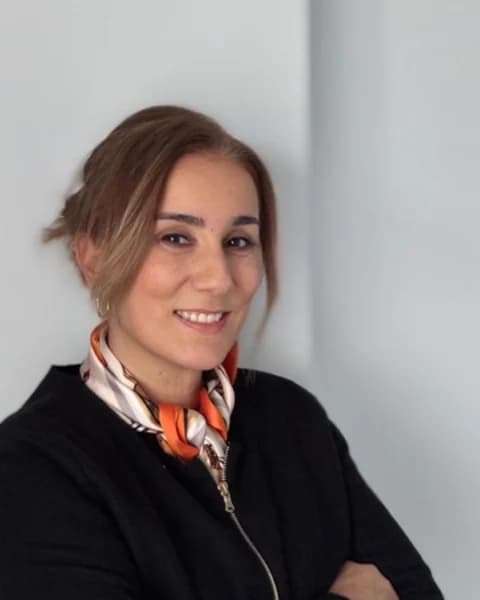
Professional Coach
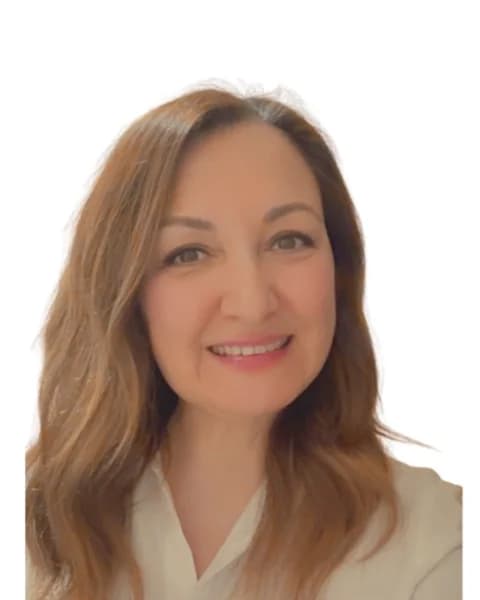
ADHD Coach

Psychological counselor
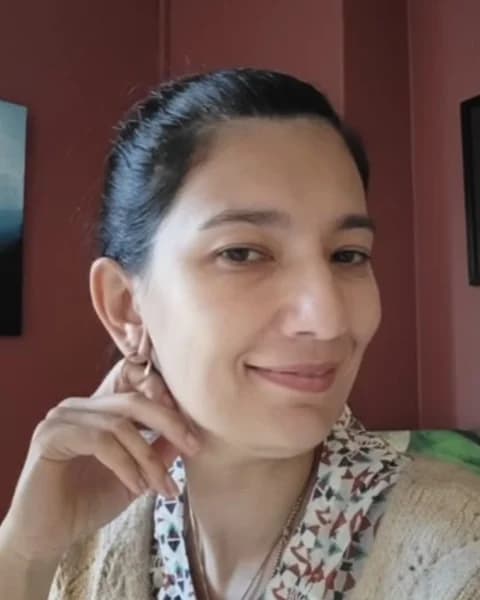
Clinical Psychologist

Psychologist

Psychologist
Frequently asked questions
Share what you need through a few short questions and see the support available to you.
Start your journey